

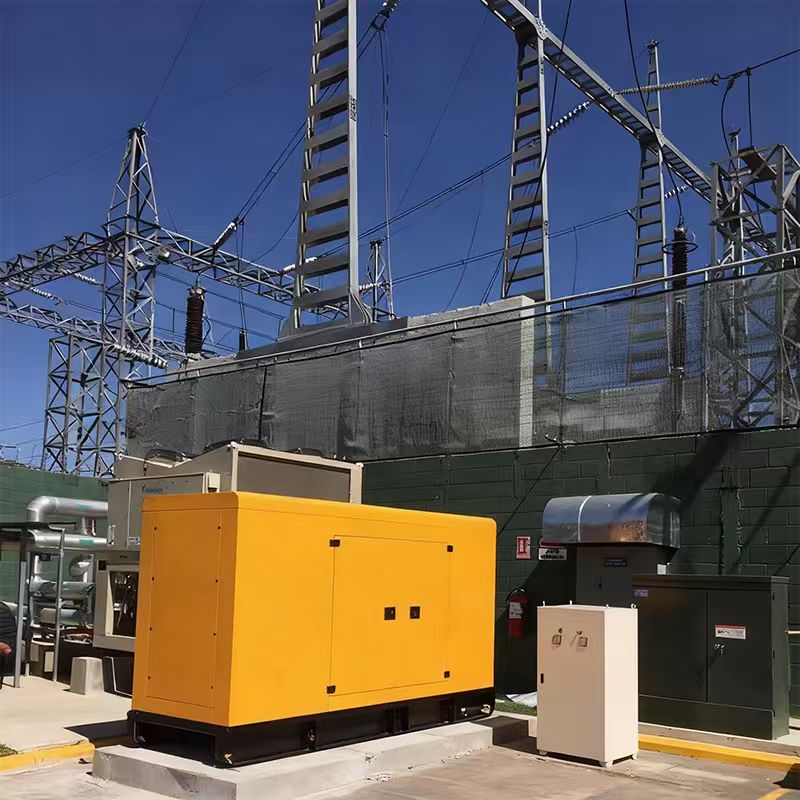
The Super Ultra 120kVA Silent Diesel Generator is an industrial-grade standby and prime power system designed to provide uninterrupted electricity when the main power grid fails or in off-grid field environments.
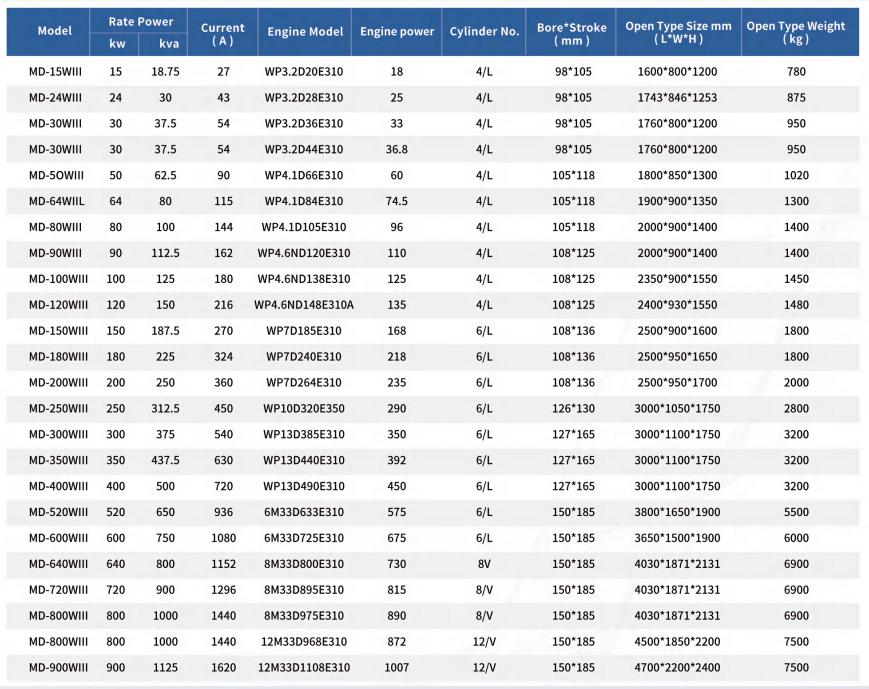
Key Specifications
Typical Applications
Industrial & Manufacturing: Supplies 120kVA prime power for 90kW CNC machinery, continuous conveyor lines, and industrial air compressors.
Telecom Base Stations: Delivers 24/7 continuous power for multi-operator remote communications hubs and off-grid towers.
Commercial & Healthcare: Provides automatic backup power for 200A emergency medical loads, commercial cold storage, and office HVAC systems.
Construction & Infrastructure: Operates tower cranes, concrete batching plants, and site lighting systems under high-dust site conditions.
Cooling System & Hot-Climate Operation
50°C Radiator Package:
50°C Radiator Package: Tropical mechanical radiator maintains full nominal output at 50°C (122°F) ambient temperatures without thermal derating.
Anti-Corrosion Coated Fins:
Protect the radiator core from salt air and chemical exposure, preventing cooling loss.
Dual Thermal Protection:
High coolant temperature shutoff sensors and low-level probes help prevent engine overheating and related damage.
Maintenance-Friendly Drainage:
External coolant drain hose routed to the chassis exterior enables quick, mess-free fluid flushes.
Silent Canopy Design & Site-Ready Features
Noise Suppression: Heavy-gauge galvanized steel canopy lined with flame-retardant acoustic foam limits noise output to 68 dBA at 7 meters.
Corrosion Resistance: Electrostatic polyester powder-coat finishes withstand 500 hours of salt-spray testing, helping prevent rust during extended outdoor deployment.
Dual-Door Access: Wide-opening side doors with stainless steel lockable latches simplify routine engine servicing and filter replacements.
Integrated Handling Frame: Heavy-duty base frame equipped with forklift pockets and 4-point top crane lifting lugs for safe site positioning.
External Emergency Stop: Recessed canopy-mounted button allows immediate manual engine shutdown during site emergencies.
OEM Options & Custom Configurations
Private Labeling: Custom metal serial nameplates, brand decals, and canopy RAL color matching.
Digital Controllers: Factory pre-installed Deepsea, ComAp, or SmartGen multi-language control modules.
Automatic Transfer Switches: Standalone or integrated 200A 4-pole ATS panels for automated grid-to-generator transfer.
Switchable Winding: Dual-frequency (50Hz / 60Hz) and multi-voltage reconfigurable terminal connections.
Custom Documentation: User manuals, circuit diagrams, and maintenance schedules customized with distributor branding.
Packaging & Delivery
Container Loading Efficiency: Fits 4 complete silent units per 40ft High Cube container.
Export Protective Packing: Heat-shrink plastic wrapping with internal desiccant packs bolted to heavy-duty wooden shipping runners.
Lead Time: Ships within 15 to 20 business days from purchase order confirmation.
Shipping Terms: Supports FOB, CIF, and DDP terms with optional marine cargo insurance coverage.
Pre-Shipment Inspection: Compliant with third-party PSI protocols, including SGS, BV, and Intertek factory audits.


FAQ
Q: Does the 200A ATS panel come standard?
A: The 200A 4-pole ATS panel is available as either a standalone external unit or a factory-integrated option, and is not included by default unless specified at order.
Q: Which engine and alternator brands power the Super Ultra 120kVA unit?
A: This model is built around a Cummins 6-cylinder turbocharged diesel engine paired with an in-house-wound brushless alternator; third-party alternator brands can be specified as an alternative configuration at order.
Q: What is the warranty period for this generator set?
A: The standard factory warranty covers the engine, alternator, and control system for 12 months or 1,500 operating hours, whichever comes first.
Q: What is the fuel tank capacity?
A: The standard base tank holds approximately 250 liters, providing roughly 10-11 hours of continuous runtime at 100% prime load.
Q: Can a customer request their own SGS, BV, or Intertek inspector for pre-shipment inspection?
A: Customers can nominate their own preferred inspection body from SGS, BV, or Intertek, or rely on the factory's standard PSI protocol; either option is confirmed and scheduled at order.
Q: What is the minimum order quantity for this model?
A: MOQ is 1 unit for project orders, with the 15-20 business day lead time applying to standard voltage and control panel configurations.


